SMH Meaning: What It Stands For and How to Use It

SMH means “shaking my head.” Learn its real origin, grammar, tone, and correct usage — plus how SMDH and SMFH differ.

 Fahad Ali
SMH means “shaking my head.” Learn its real origin, grammar, tone, and correct usage — plus how SMDH and SMFH differ.
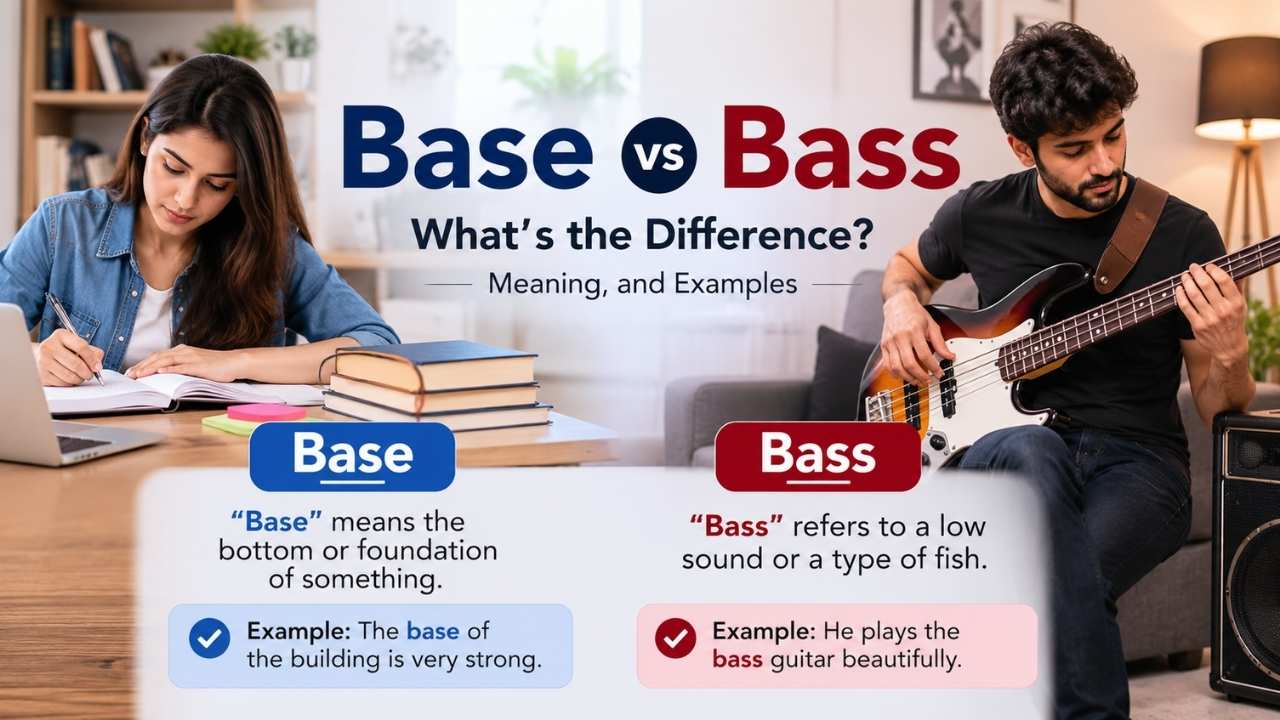
Many people struggle with base vs bass because these two words look almost the same but have very different meanings. If you’ve ever wondered about the difference between base and bass, you’re not alone. They are among the most commonly confused words in the English language, and they often create confusion in writing, speaking, and … Read more

Many English learners ask, “What is the past tense of meet?” This question seems simple, but it often creates confusion because meet is an irregular verb. Unlike regular verbs that add -ed to form the past tense, the verb meet changes its form completely. The correct past tense of meet is met, and the past … Read more
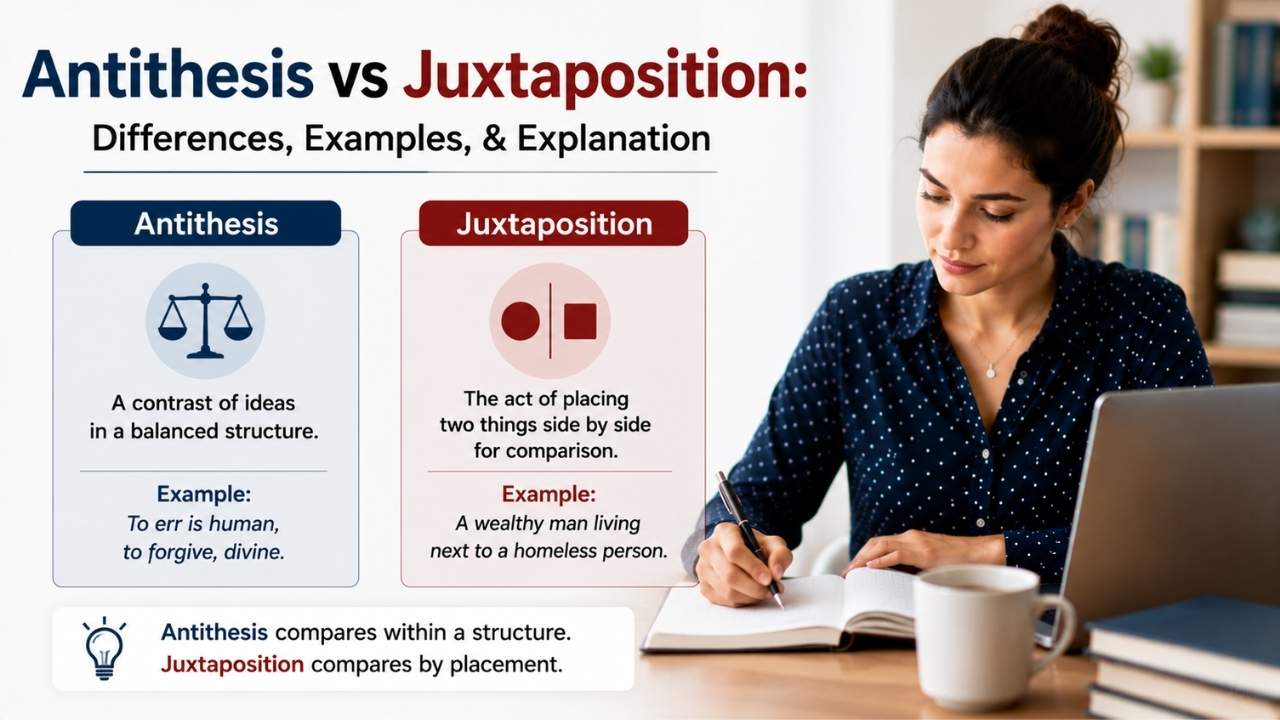
Many students search for the difference between antithesis and juxtaposition because both are used to create contrast in literature. This confusion is very common in exams and writing tasks where learners deal with literary devices difference and rhetorical devices comparison. Both techniques show contrast, but they do it in different ways. Writers use Antithesis vs … Read more
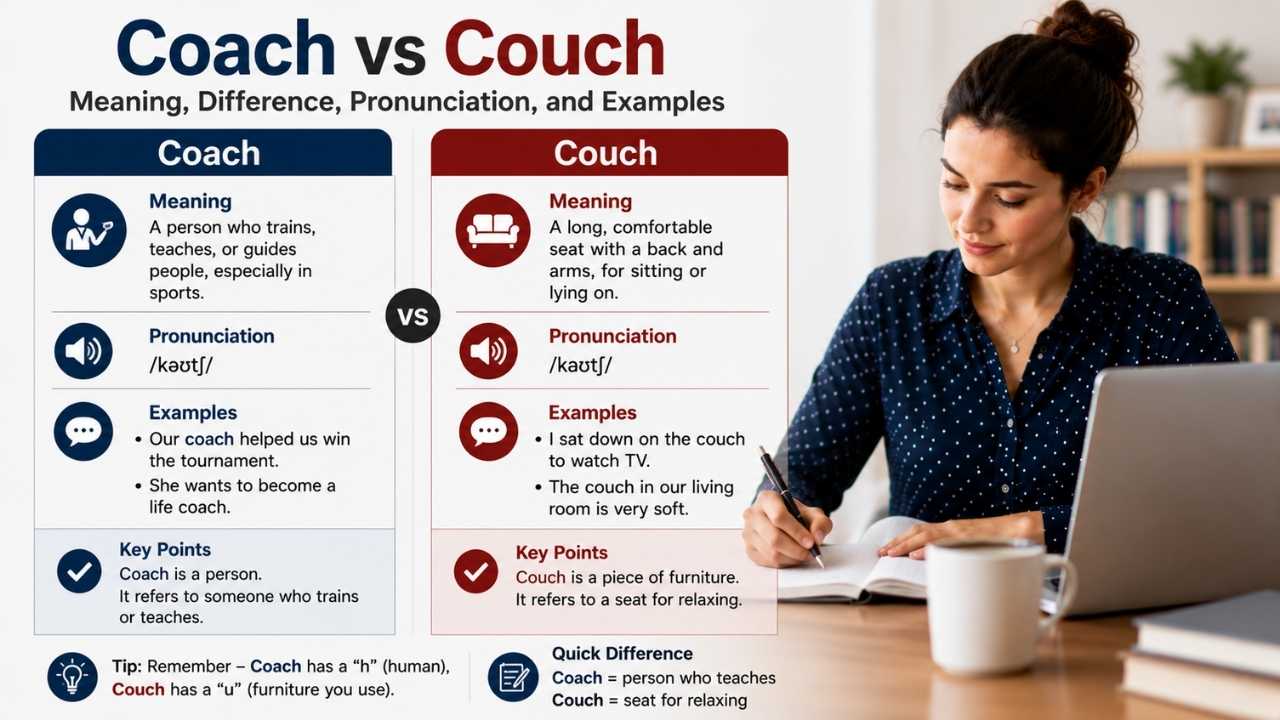
Many English learners get confused between “coach” and “couch” because they look and sound very similar. This creates a common problem in English vocabulary confusion words and often leads to spelling or speaking mistakes. However, both words have completely different meanings and uses. A coach usually refers to a trainer, mentor, or guide, while a … Read more
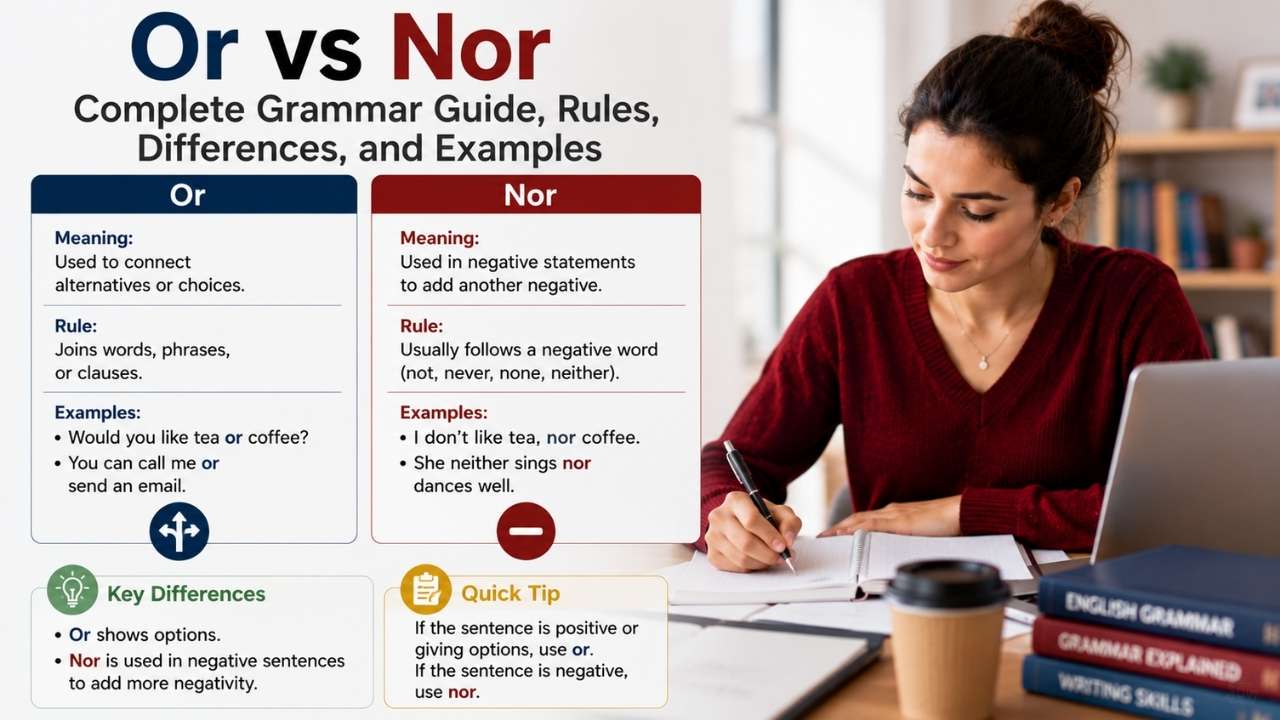
The words “or” and “nor” are small, but they often create big confusion in English grammar. Many learners search for or vs nor grammar rules because both words connect ideas, yet they work in very different ways. In simple terms, “or” is used in positive or neutral choices, while “nor” appears in negative sentences. This … Read more
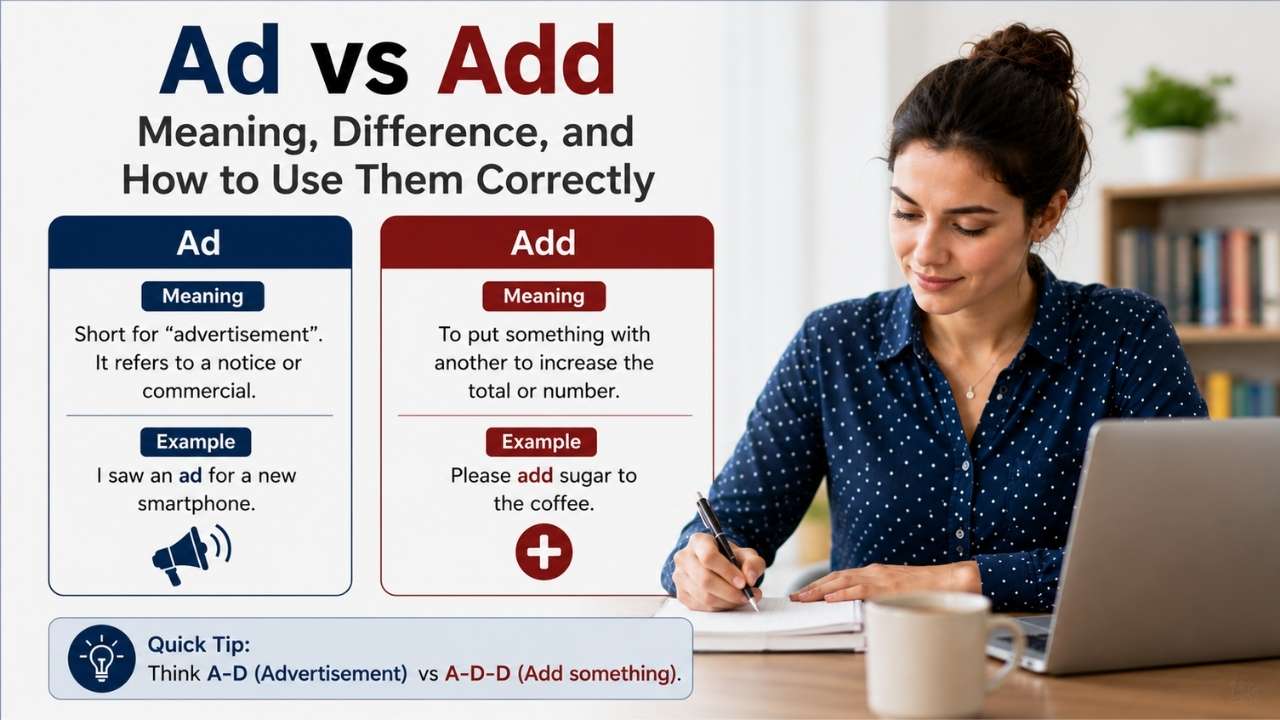
The confusion between ad vs add is very common in English writing. Many learners and even native speakers mix these two words because they sound the same but have very different meanings. This often leads to spelling mistakes in English and unclear sentences. In simple terms, “ad” means advertisement, while “add” means to include or … Read more
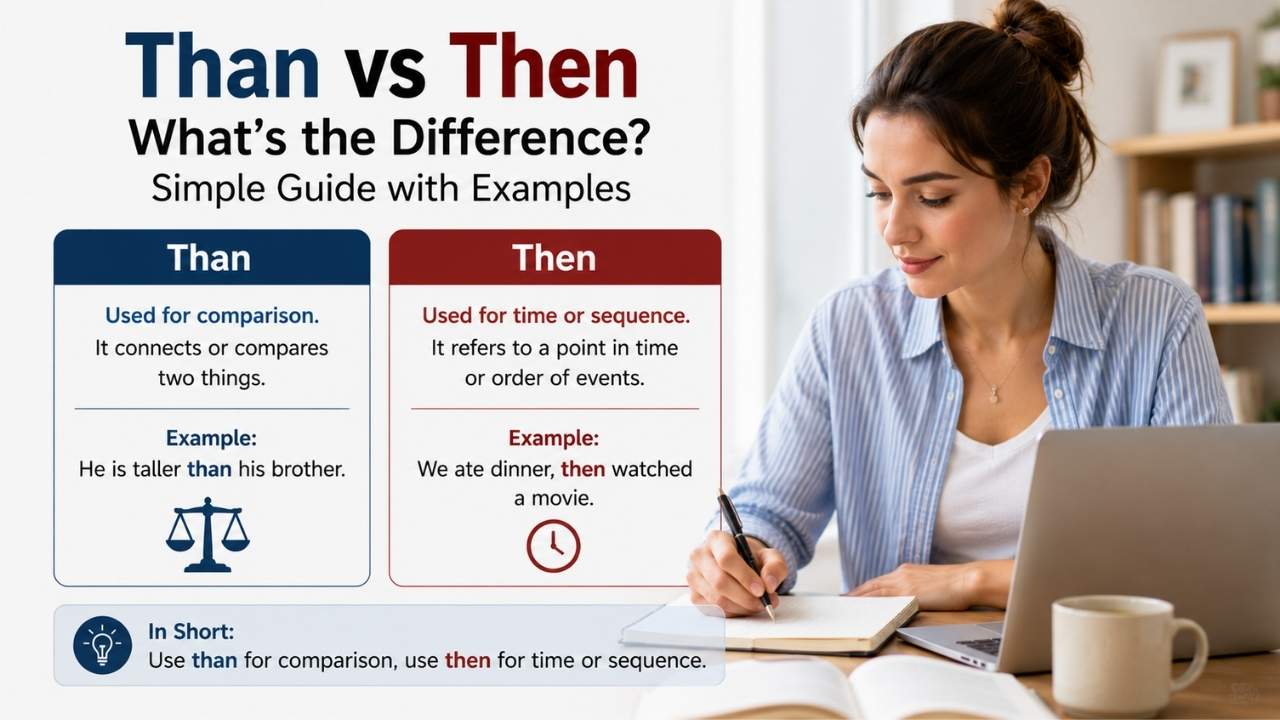
Many people confuse than and then because they look and sound similar, but they have completely different roles in English grammar. This confusion often appears in everyday writing, especially when learners search for than vs then, difference between than and then, or when to use than and then correctly. The simple truth is: “than” is … Read more
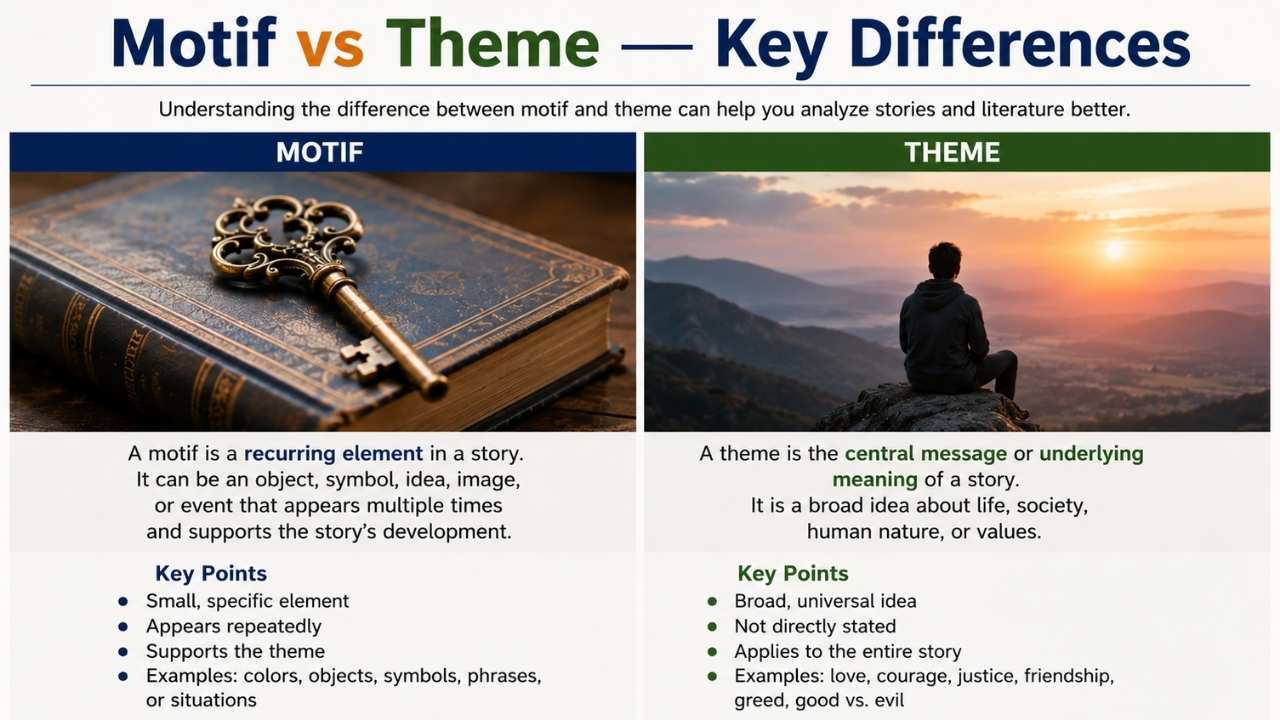
In literature, students often confuse motif vs theme, but these two ideas are not the same. Understanding the difference between motif and theme helps you read stories more clearly and write better analysis in exams or essays. A theme is the central message of a story, while a motif is a repeated element that supports … Read more
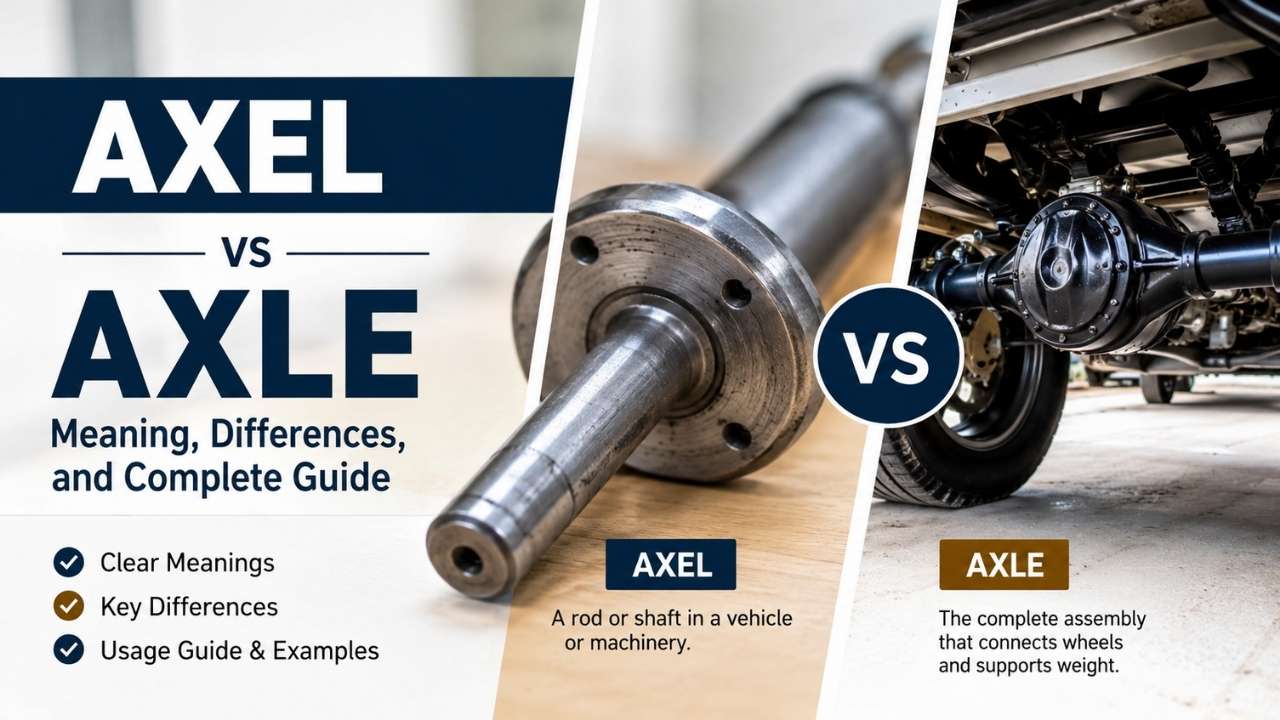
The confusion between axel vs axle is very common in English because both words sound almost the same but have completely different meanings. Many people search for difference between axle and axel when they are unsure about spelling or usage. In simple terms, axle belongs to the automotive world, while axel is used in figure … Read more