Language Tips

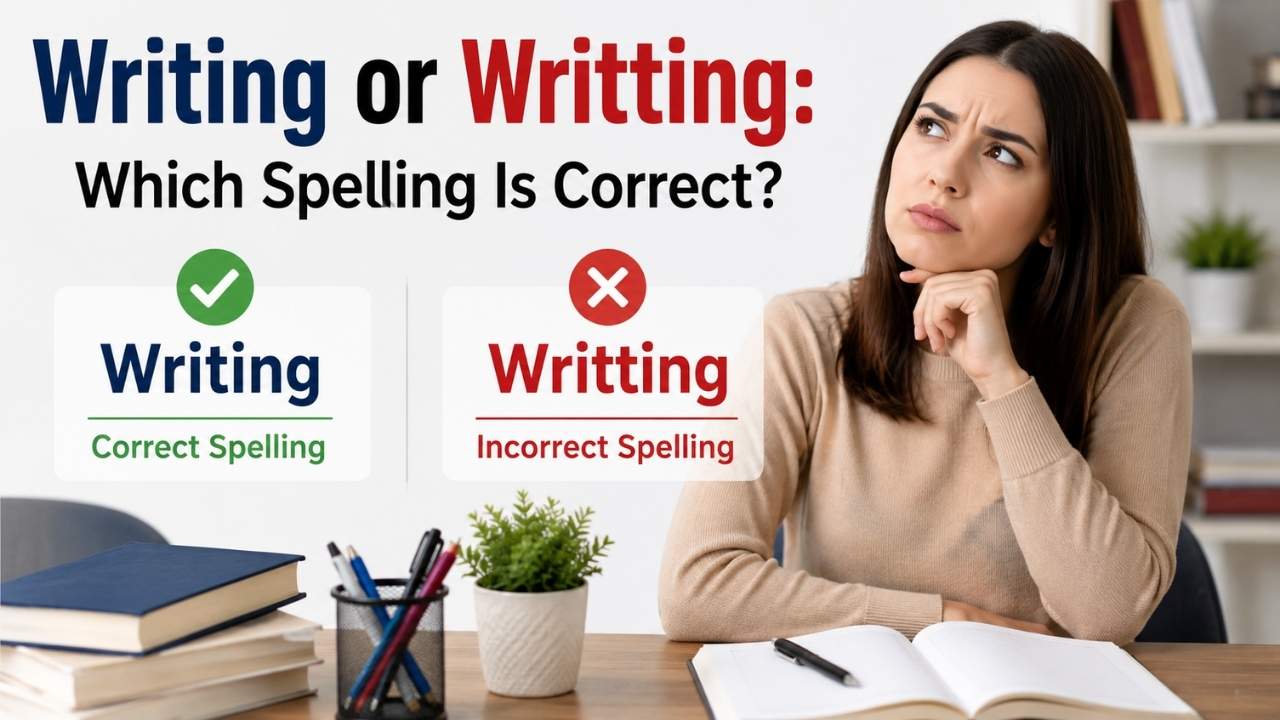
Writing or Writting: Which Spelling Is Correct?

Many people get confused between writing or writting because both words may look correct at first glance. However, the correct spelling is writing, while writting is a common spelling mistake in English. This error often happens when people apply the wrong grammar rules while adding “-ing” to a verb. If you have ever wondered, “Is … Read more

Arised or Arose: Which Is Correct? Grammar Guide with Examples

Many English learners get confused when they see the words arised or arose and are not sure which one is correct. This is a very common grammar doubt, especially when learning the past tense of “arise”. In simple terms, people often try to follow regular verb rules and assume “arised” might be right, but English … Read more

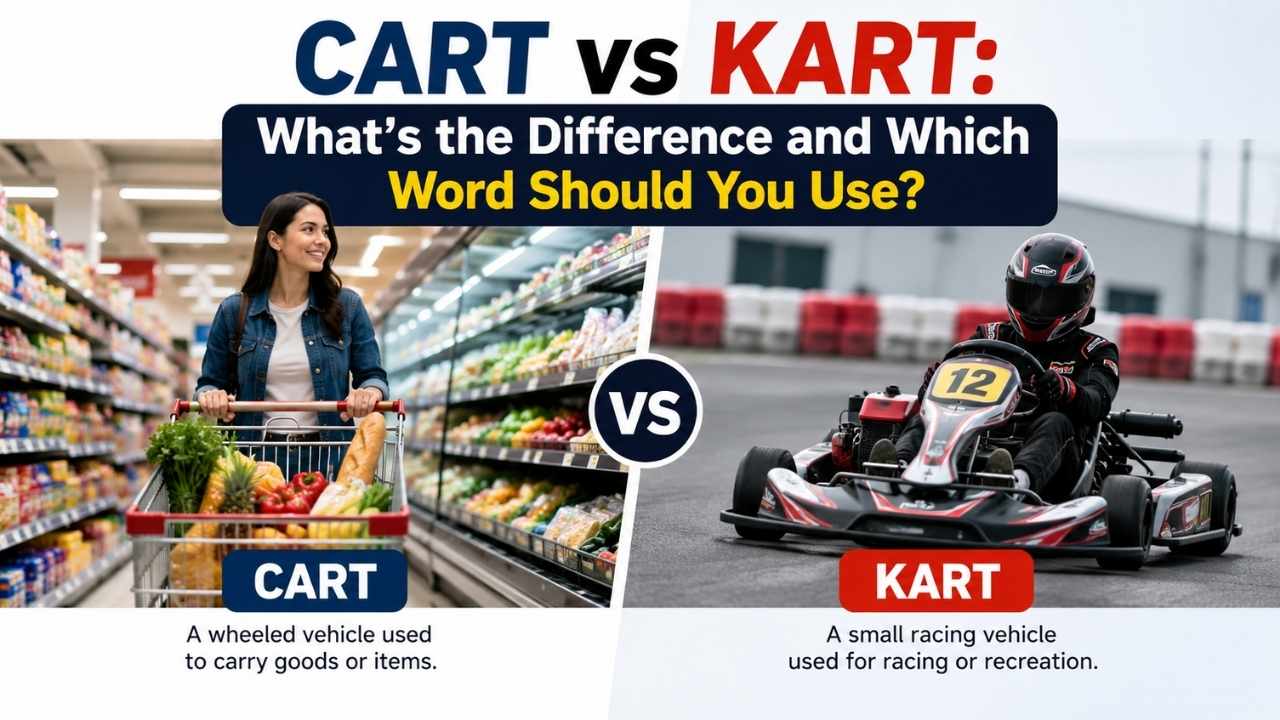
Cart vs Kart: What’s the Difference & Which Word Should You Use? 

Many people get confused by cart vs kart because both words sound almost the same. However, they do not share the same meaning. A cart usually refers to a wheeled vehicle used for carrying goods, supplies, or personal items. In contrast, a kart refers to a small racing vehicle commonly used in go-kart sports and … Read more

Of Course or Ofcourse: Which Spelling Is Correct? With Examples 

When writing in English, even small spelling mistakes can make your writing look less polished. One common question is whether the correct form is “of course” or “ofcourse.” If you’ve ever wondered which is correct, you’re not alone. Many English learners and native speakers search for the correct spelling because the two versions look similar. … Read more

Skillset or Skill Set: Which Spelling Is Correct?

Many people get confused between “skillset” and “skill set” in professional writing, resumes, and workplace communication. Both versions appear online, but only one form is traditionally preferred in formal English grammar. In most style guides and dictionaries, “skill set” is the correct spelling because it works as an open compound noun. However, the one-word version, … Read more

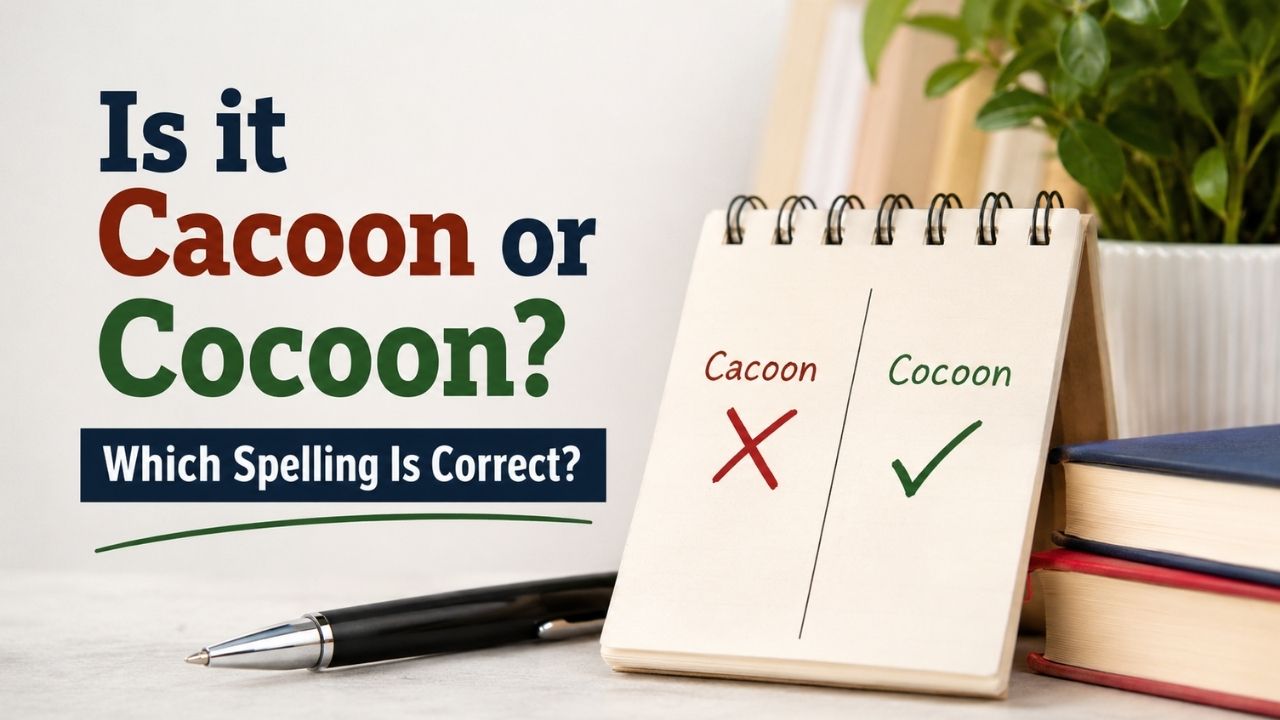
Is it Cacoon or Cocoon? Which Spelling Is Correct?

The correct spelling is “cocoon,” not “cacoon.” Many people get confused between these two forms because they sound similar when spoken. However, only cocoon is recognized in the English language and used in both scientific and everyday contexts. A cocoon is a protective covering made by insects like butterflies and moths during their transformation process … Read more

What Does UPS Stand For? Meaning and Usage + Examples 

Many people see the term UPS every day on packages, shipping labels, and delivery trucks. However, not everyone knows exactly what the abbreviation means or how it became such a common part of American English. What Does UPS Stand For? Today, UPS usually refers to United Parcel Service, one of the largest package delivery companies … Read more

Cancelation or Cancellation: Which Spelling Is Correct?

When people write about a cancelled event, a refunded ticket, or a stopped subscription, they often pause at one word: cancelation. Is it spelled with one “l” or two? This question Cancelation or Cancellation matters because English spelling often changes between regions and writing styles. In daily American English, many people see both forms online. … Read more

Born In or Born On: Which One Is Correct?

If you’ve ever wondered whether to say “born in” or “born on,” you’re not alone. This small grammar choice can confuse even fluent English speakers, especially in everyday conversations and writing. At first glance, both phrases seem similar. However, they serve different purposes depending on what you’re talking about. Understanding the difference between Born in … Read more

Tart vs Sour: What’s the Difference? Simple Explanation, Examples

Many people confuse tart vs sour, but they are not exactly the same. Both describe an acidic taste, yet they feel different on your tongue. In simple terms, tart taste is mildly sharp and slightly pleasant, while sour taste is stronger, more intense, and sometimes harsh. This is the main difference between tart and sour. … Read more

Join our email list to receive the latest courses details and blogposts