Master English

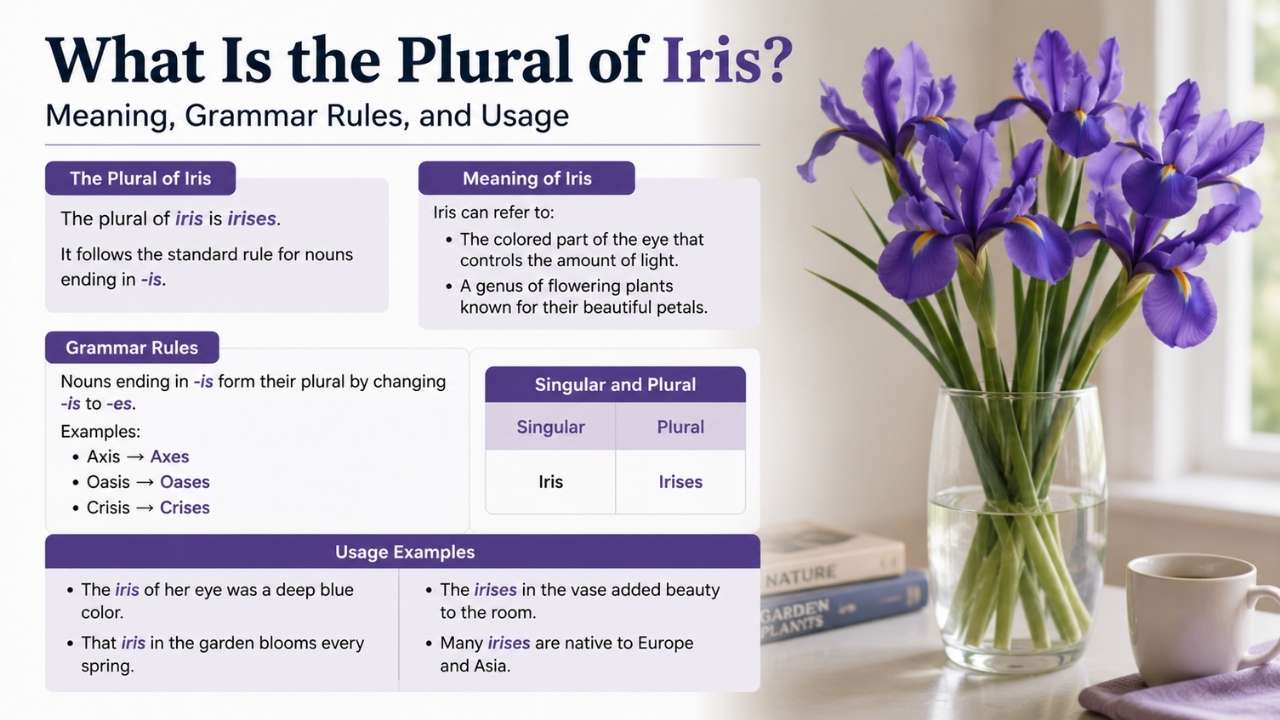
What Is the Plural of Iris? Meaning, Grammar Rules, and Usage 

Many learners search for the plural of iris because this word appears in both science and everyday English. It is commonly used in two main contexts: the iris in the eye (anatomy) and the iris flower (botany).  This creates confusion, especially when people see different forms like irises or mistakenly irides. In modern English grammar, … Read more

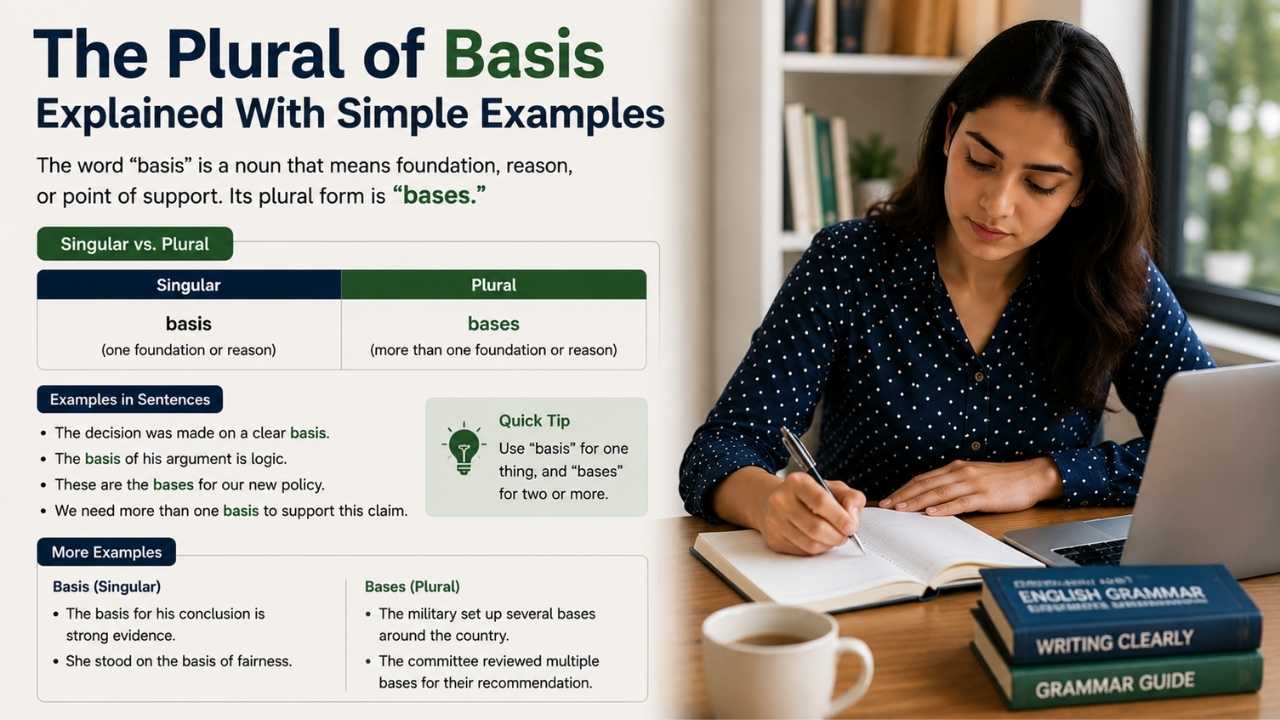
The Plural of Basis Explained With Simple Examples 

Many English learners often feel confused when they come across the word “basis” and try to form its plural. A common question is what is the plural of basis in English grammar and whether the correct form is bases or basises. This confusion happens because English includes several irregular plural nouns that do not follow … Read more

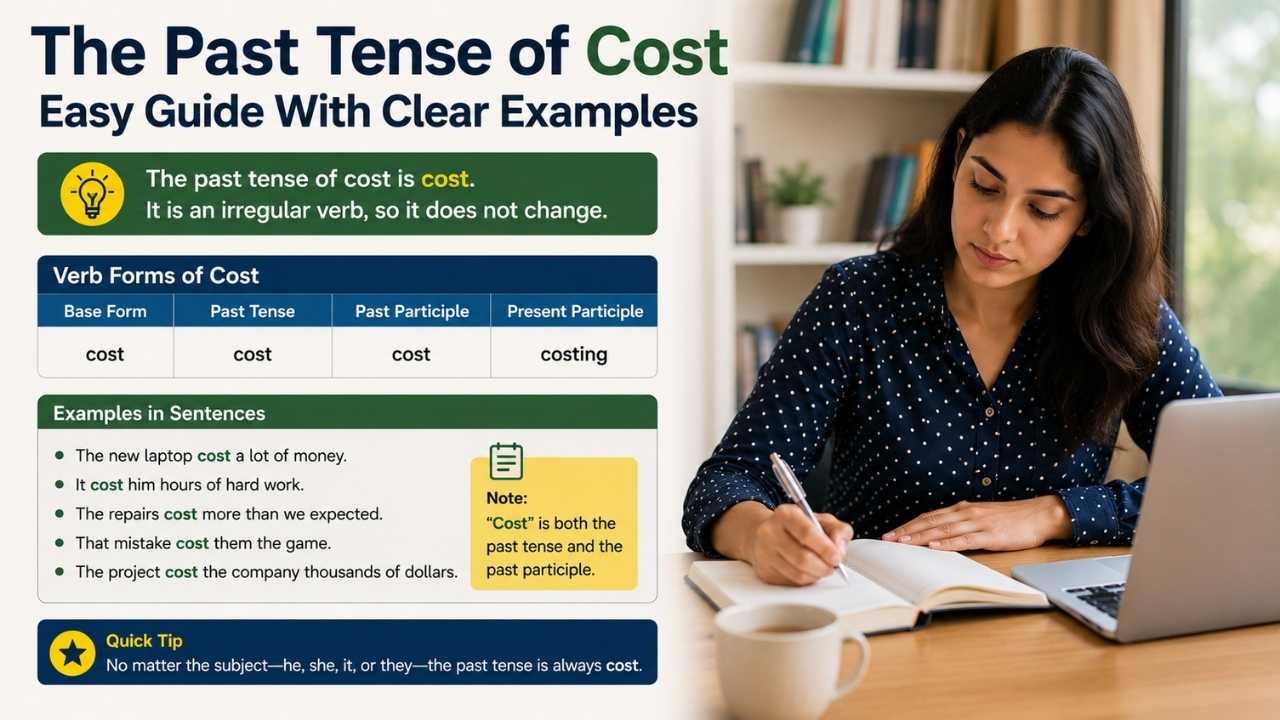
The Past Tense of Cost Easy Guide With Clear Examples 

The past tense of cost often confuses English learners because it does not follow the usual grammar rule of adding “-ed” to make the past form. Many people naturally expect the correct form to be “costed,” but in most cases, this is incorrect. The simple rule is that the past tense of cost is cost, … Read more

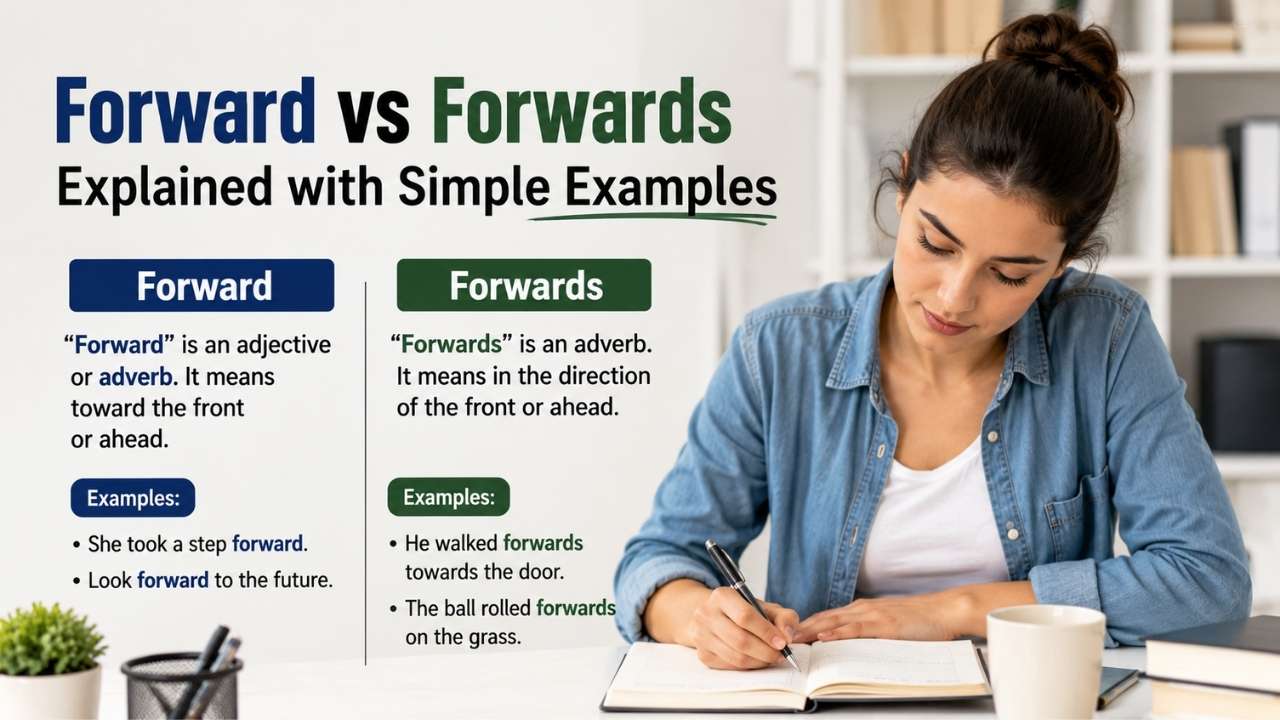
Forward vs Forwards Explained with Simple Examples 

The confusion between forward vs forwards is a common problem in English grammar, especially for learners who want to write correctly in both formal and informal situations. These two words look almost identical, and both are related to movement or direction, which makes them even easier to mix up. Many people often wonder whether “forward” … Read more

Igniter or Ignitor Explained The Truth You Must Know 

The debate around igniter vs ignitor often confuses writers, students, engineers, and even professionals who work with technical equipment. Since both words look similar and relate to the process of ignition, many people wonder whether they have different meanings or if one spelling is more correct than the other. Questions such as “Is ignitor a … Read more

Semicolon or Semi-Colon Explained Simply and Clearly 

Have you ever stopped while writing and wondered, is it semicolon or semi-colon? You’re not alone. Many writers, students, and professionals get confused about the correct spelling of semicolon because both versions occasionally appear online. However, in modern English, semicolon is the standard and widely accepted spelling used by dictionaries, style guides, and grammar experts. … Read more

The Past Tense of Swing Explained with Simple Examples 

The past tense of “swing” is a common grammar question in English, especially for learners and students. The correct form is “swung,” which is used when talking about something that already happened. “Swing” is an irregular verb, so it does not follow the normal rule of adding “-ed” in the past tense, which is why … Read more

Liter vs Litre Meaning, Differences, History, and Global Explained 

The confusion between liter vs litre is very common among English learners, writers, and students. Many people search for liter or litre difference or ask which spelling is correct in English. The simple answer is that both words are correct, and they mean the same metric unit of volume used to measure liquids like water, … Read more

The Plural of Syllabus Meaning Rules and Examples 

The plural of syllabus often confuses students because two forms are widely used: syllabi and syllabuses. Both are correct and mean the same thing, which is why you may see different versions in books, schools, and online articles.  When people search for what is the plural of syllabus or syllabi vs syllabuses, they usually want … Read more

what is the Past Tense of See Explained with Simple Examples 

The past tense of “see” is saw, and the past participle of “see” is seen. This is one of the most common examples of an irregular verb in English grammar, which means it does not follow the normal “-ed” rule. Many learners search for see past tense, saw and seen grammar, and verb forms of … Read more

Join our email list to receive the latest courses details and blogposts