Fahad Ali

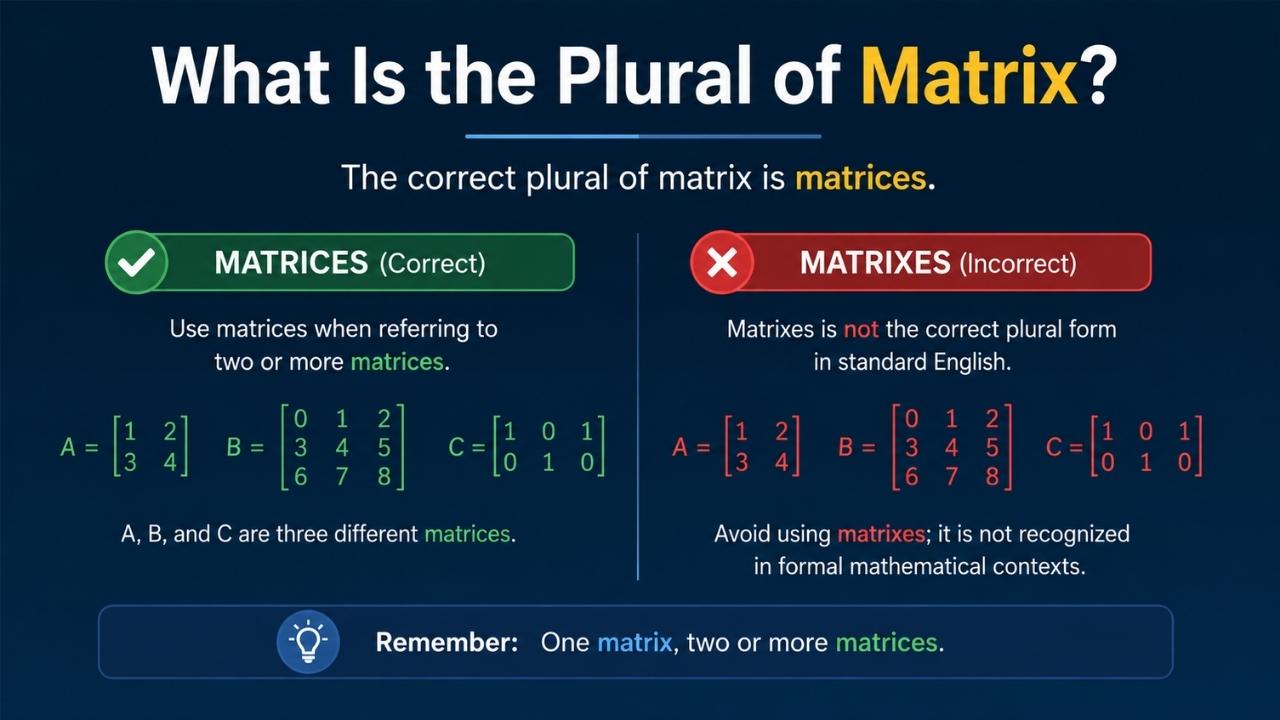
The Plural of Matrix in English: Matrices vs Matrixes? 

If you have ever wondered what is the plural of matrix, you are not alone. Many English learners and native speakers get confused when they see both matrices and matrixes used in writing. So, what is the correct plural of matrix? The simple answer is that both matrices and matrixes are accepted plural forms of … Read more

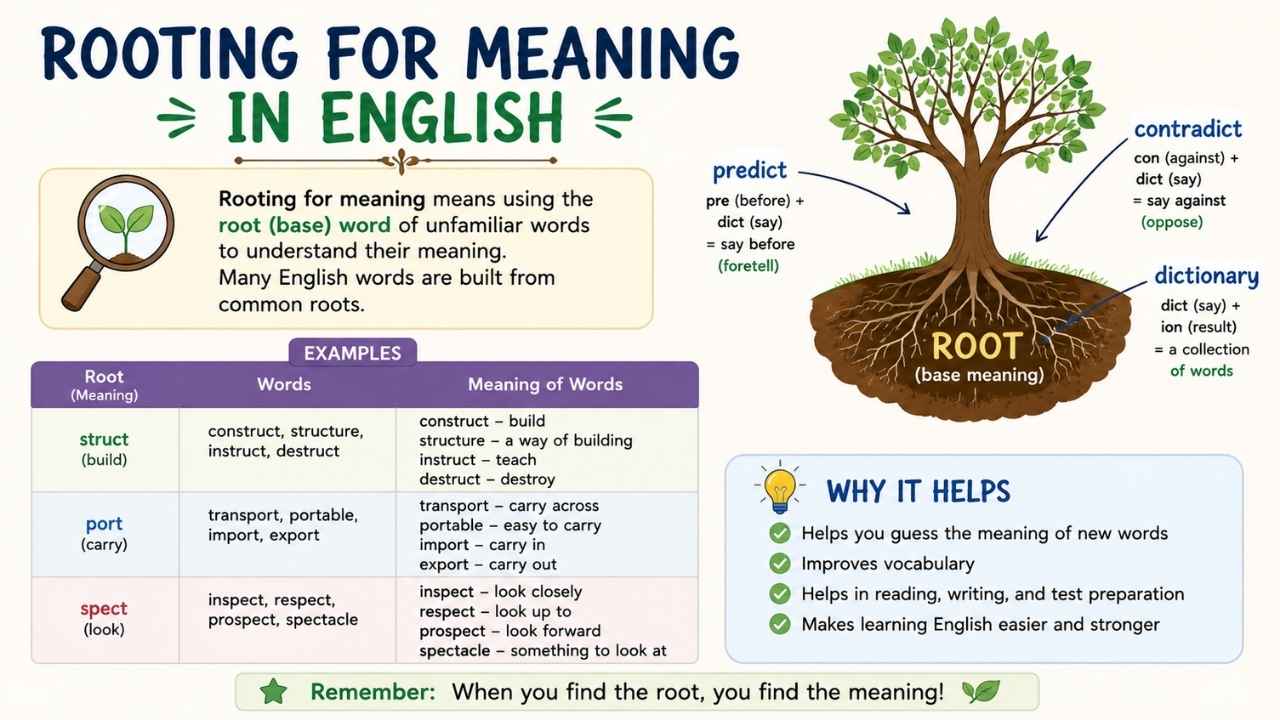
Rooting for Meaning in English :Explanation with Examples

The phrase “rooting for meaning” or more commonly “rooting for someone” simply means supporting someone and hoping they succeed. When you say “I’m rooting for you”, it shows encouragement, motivation, and positive wishes toward another person. In simple English, it is similar to saying you are cheering for someone or wishing them good luck.  Many … Read more

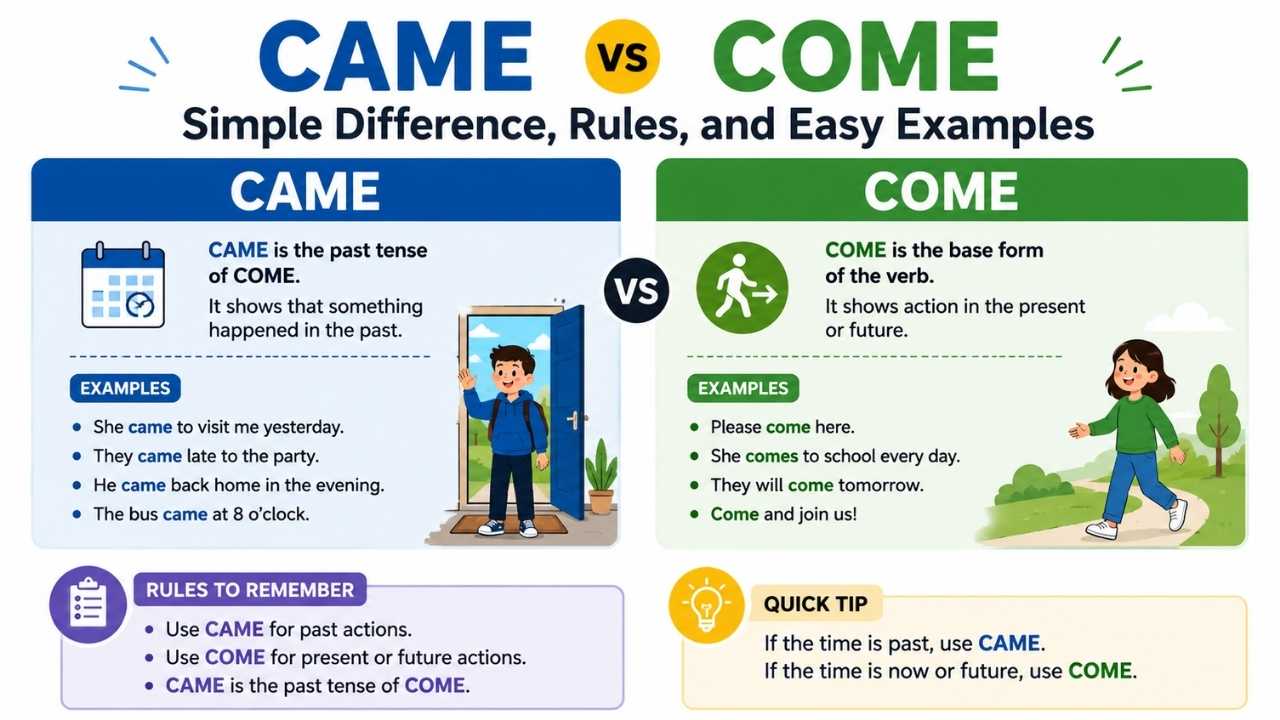
Came vs Come: Simple Difference, Rules, and Easy Examples 

Many English learners get confused between “come vs came”, and that’s completely normal because they look similar but are used in different situations. The main difference is actually very simple: “come” is used for the present or general actions, while “came” is the past tense of “come” and is used for actions that already happened.  … Read more

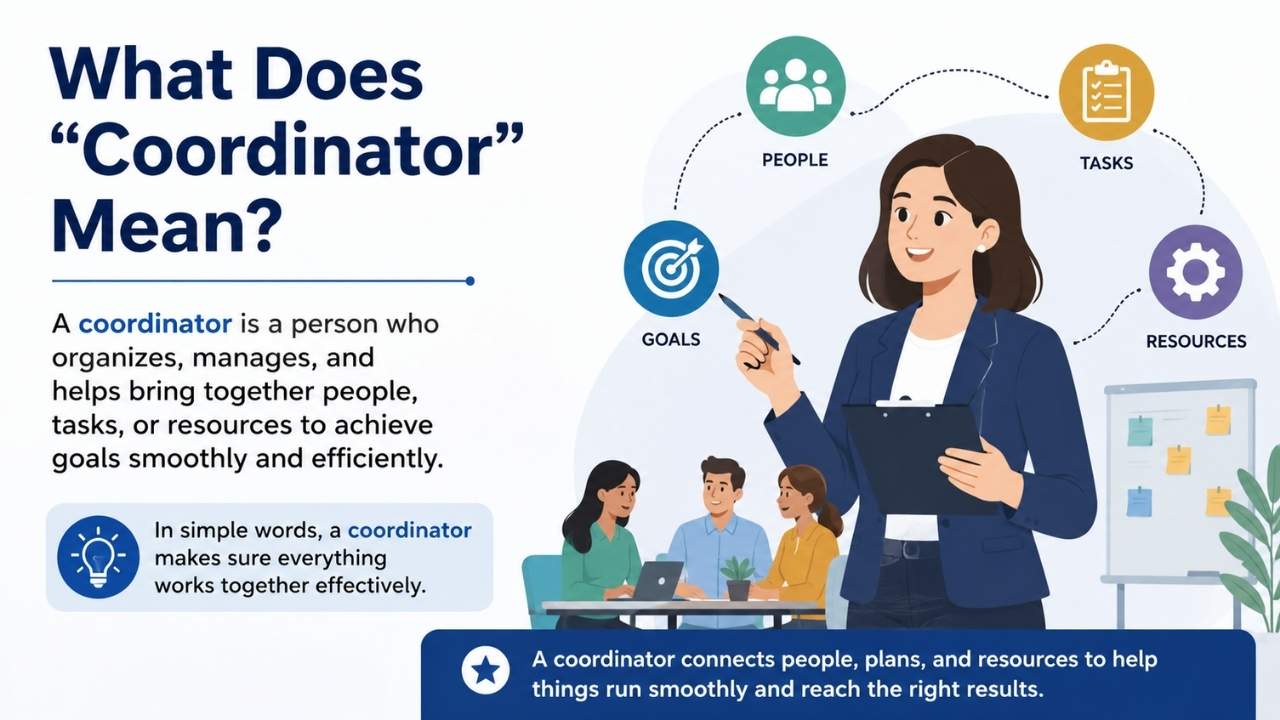
What is the Abbreviation of Coordinator: Meaning, Usage, Example

The word “coordinator” is often shortened in writing to save space and improve clarity. The most common abbreviation for coordinator is “Coord.”, which is widely used in job titles, charts, and internal documents. People often search for the coordinator abbreviation or ask how to abbreviate coordinator because they want a correct and professional short form. … Read more

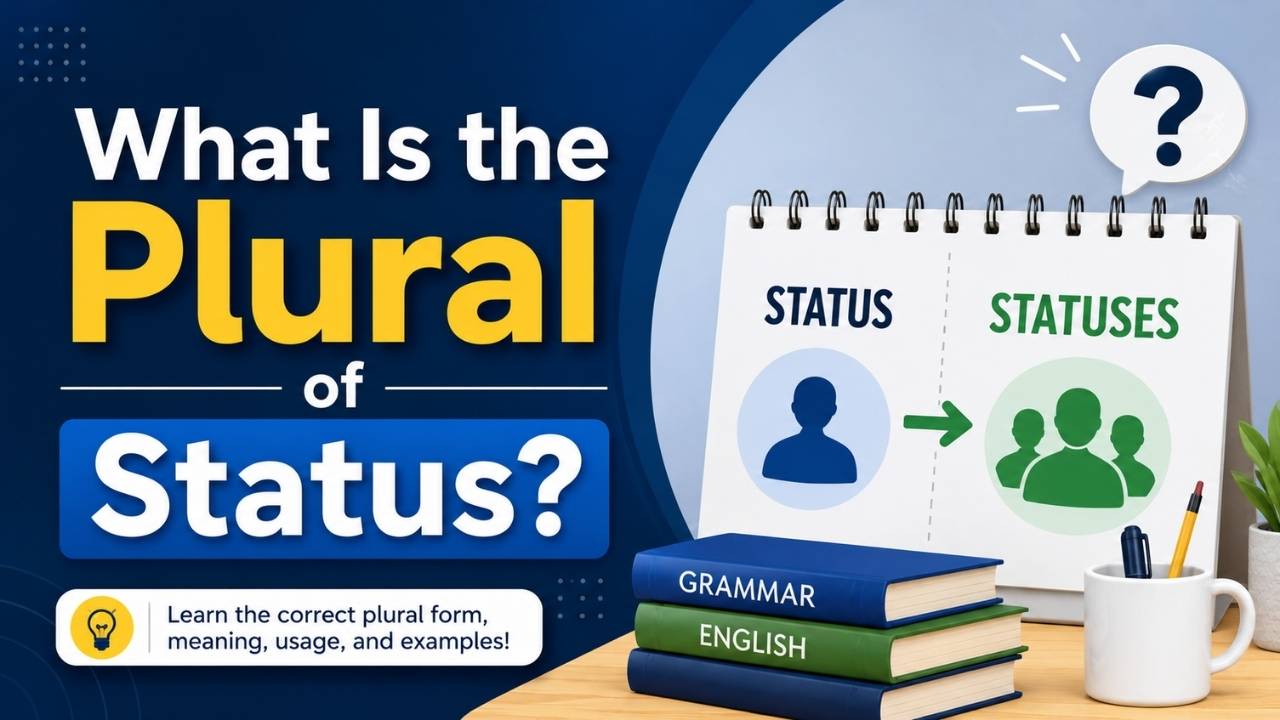
What Is the Plural of Status? Meaning, Usage, and Grammar Rules

The word “status” is a noun in English that generally refers to a person, thing, or situation’s condition or position. Many English learners and writers often wonder about the plural of status and how to use it correctly in sentences. It is a common word used in both formal and everyday communication. In simple terms, … Read more

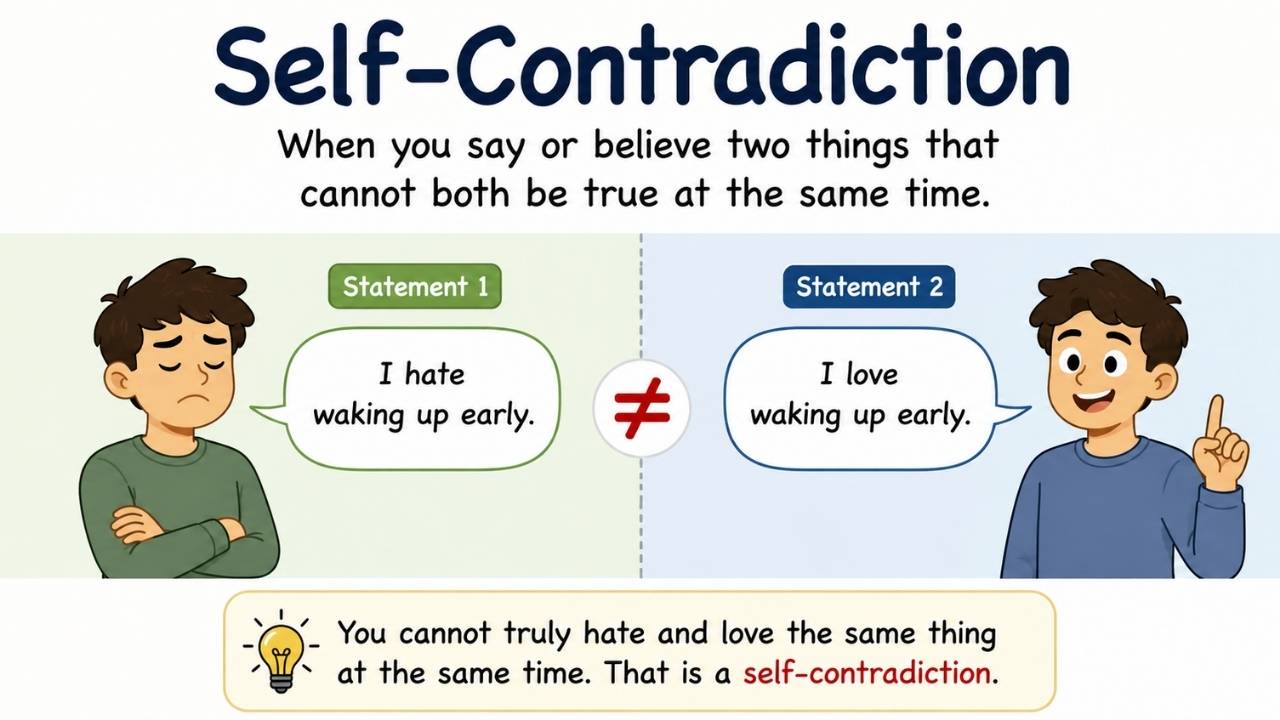
What Does Self Contradiction Mean Explained Simply

Self-contradiction happens when a person, statement, or idea says two opposite things at the same time. In simple words, it means someone is going against their own words, beliefs, or actions. If you have ever heard a person make a contradictory statement, you have already seen an example of self-contradiction in real life. Many people … Read more

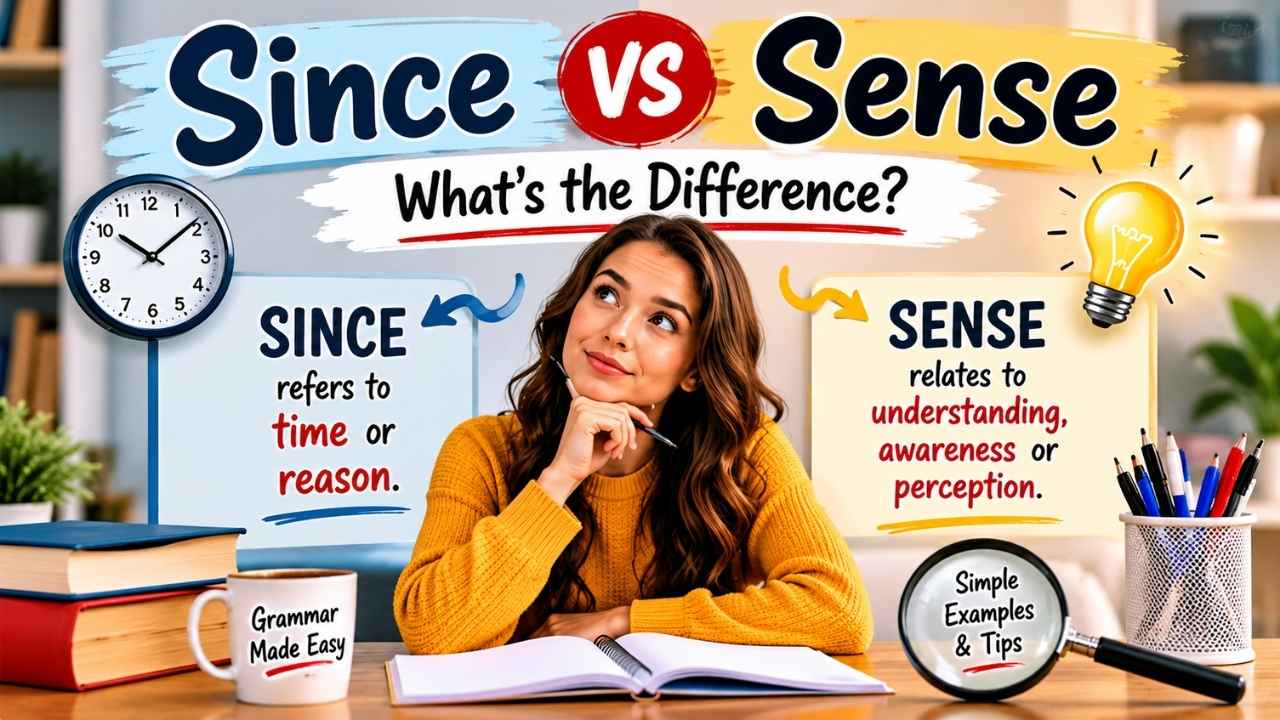
Since vs Sense: What’s the Difference? With Examples

Many English learners confuse since vs sense because the two words sound similar in conversation. However, their meanings and grammar usage are completely different. Since usually relates to time or reason, while sense connects to understanding, awareness, or human perception. This common grammar confusion often creates writing mistakes, especially for ESL learners and students. Understanding … Read more

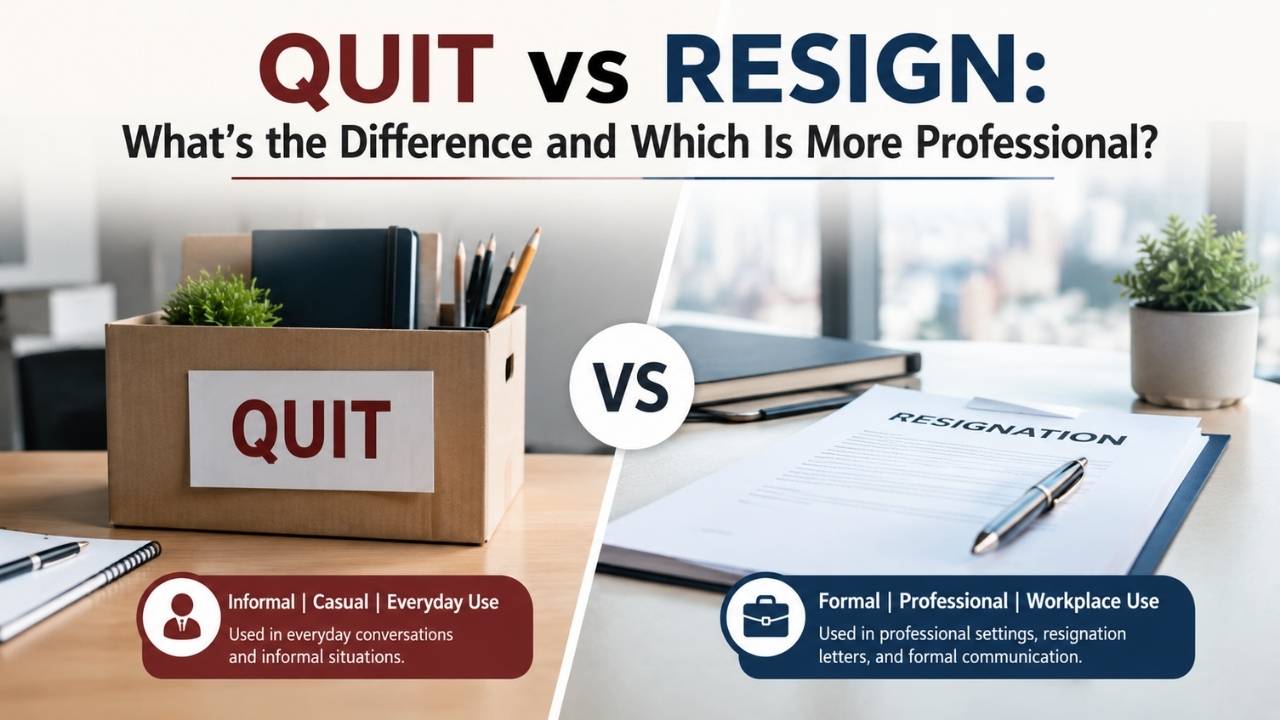
Quit vs Resign: What’s the Difference & Which Is More Professional

Many people use quit and resign in the same way, but these words create very different impressions in workplace communication. Both terms mean leaving a job, yet the tone and level of professionalism change depending on which word you choose. In casual speech, people often say they “quit a job.” In a formal setting, employees … Read more

Past Tense of Panic: Meaning, Forms, and Simple Explanation 

Many English learners get confused when they see the verb “panic” and try to use it in the past tense. The question often arises: what is the past tense of panic? The correct form is “panicked”, not “panic” or any other variation. This follows normal English grammar rules for regular verbs, even though the spelling … Read more

Long Term or Long-Term: Which Is Correct? With Examples

Many writers feel confused about long term or long-term because both forms appear in everyday writing. The truth is simple. Both are correct, but each follows a different grammar rule. You should use long-term with a hyphen when it works as a compound adjective before a noun. For example, “a long-term strategy” is correct. On … Read more

Join our email list to receive the latest courses details and blogposts