Fahad Ali

Re-sign or Resign Meaning Explained Simple Guide 

The words resign and re-sign often create confusion because they look almost identical but carry completely opposite meanings. This mix-up usually happens in writing, headlines, and even professional communication.  In simple terms, resign meaning refers to leaving a job, position, or responsibility, while re-sign meaning refers to signing again or renewing an agreement. This is … Read more

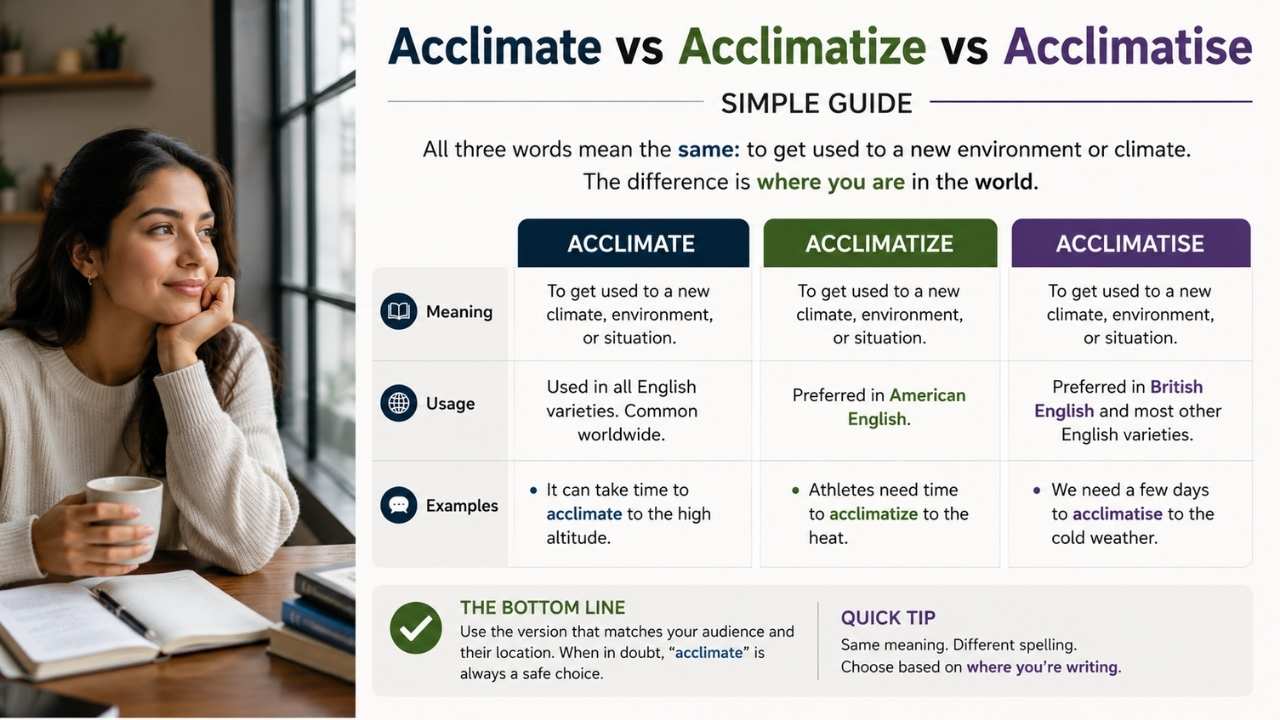
Acclimate vs Acclimatize vs Acclimatise Simple Guide 

Many writers get confused when they see acclimate vs acclimatize, and acclimatise, but these words are closely related. They all describe the process of adjusting to a new environment, climate, or situation. For example, a person may need time to acclimate to high altitude or a new country. The main difference between acclimate acclimatize acclimatise … Read more

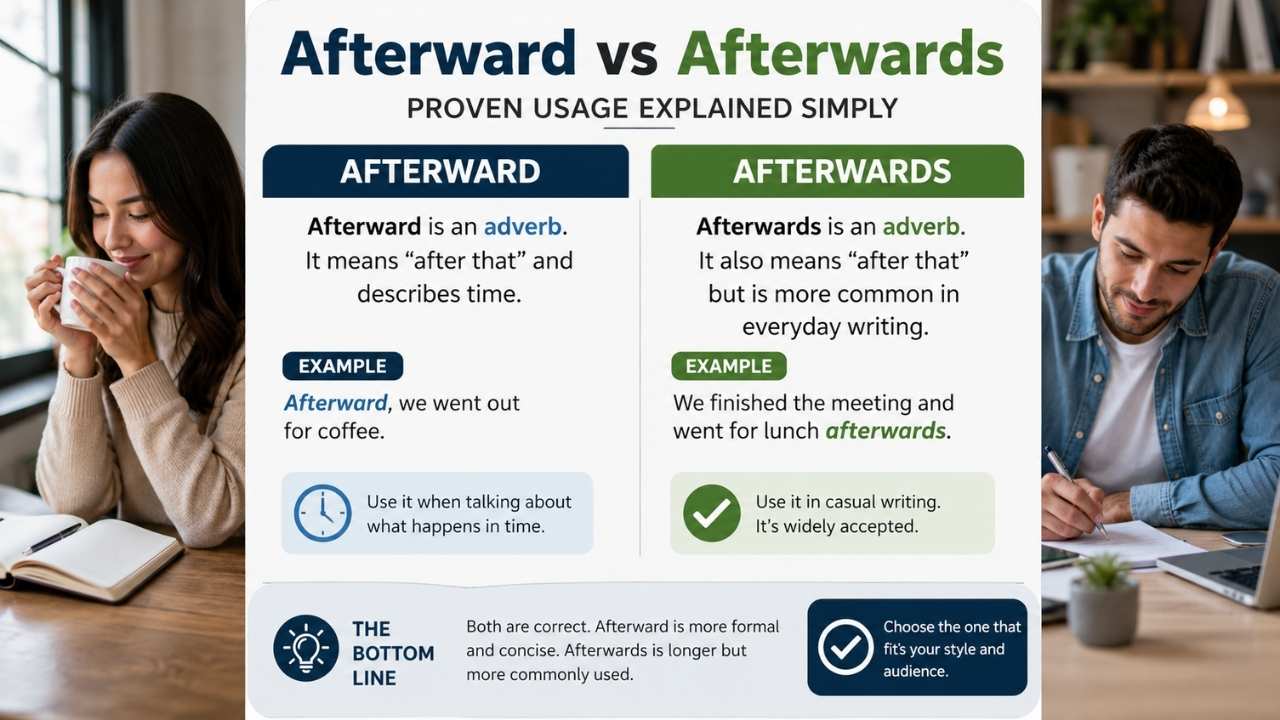
Afterward vs Afterwards Proven Usage Explained Simply

Many writers get confused about afterward vs afterwards, but the truth is simple. Both words have the same meaning: they describe something that happens later in time or after an event. So, in terms of grammar and meaning, there is no real difference between afterward and afterwards. The main difference comes from English usage rules. … Read more

Plural of Journey Easy Explanation With Clear Examples 

If you’ve ever wondered about the plural of journey, you’re not alone. Many people get confused between journeys or journies, especially when learning English grammar and pluralization rules. The good news is that the answer is simple once you understand the spelling pattern behind the word. The correct plural form of journey is journeys. Although … Read more

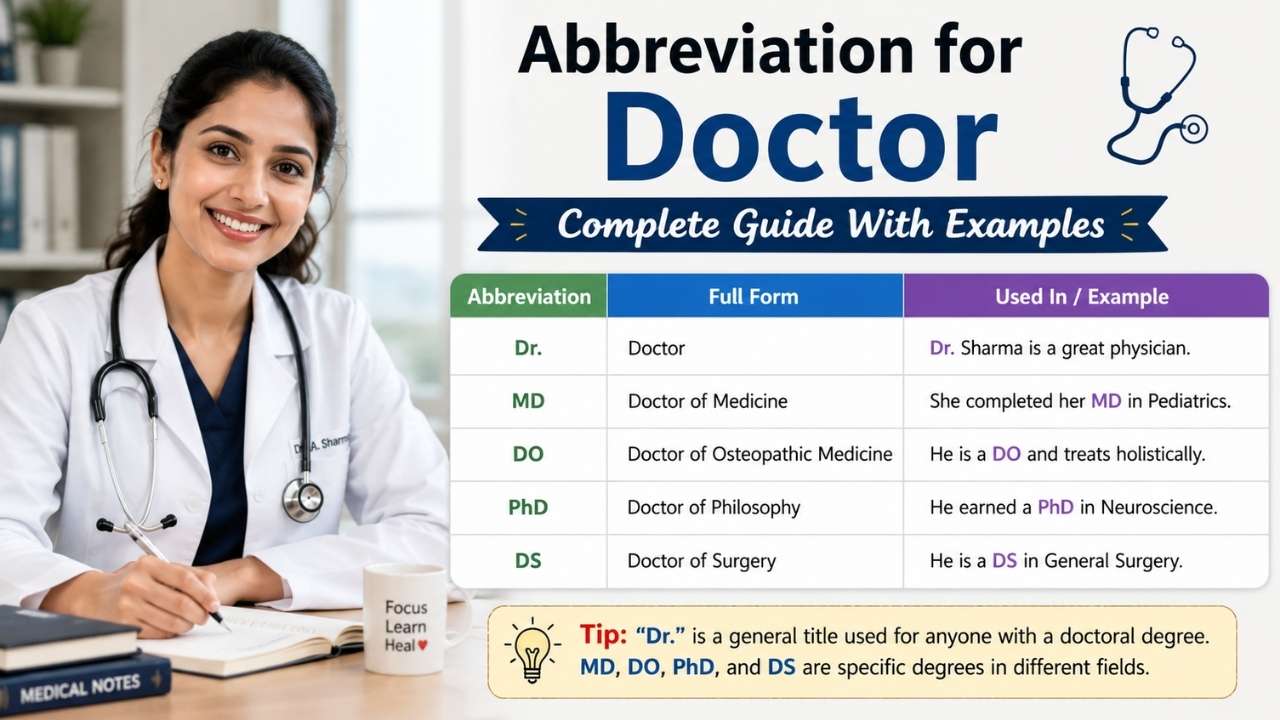
Abbreviation for Doctor Complete Guide With Examples 

The abbreviation for doctor is “Dr.” It is a widely used title placed before a person’s name to show that they hold a medical or academic doctorate. For example, you can write Dr. Ahmed or Dr. Sarah when referring to a qualified professional. The term “Dr.” meaning simply stands for doctor abbreviation, and it is … Read more

Plural of Staff in English Meaning, Rules, and Correct Usage

If you are searching for the plural of staff in English, the simple answer is that “staff” is usually a collective noun, meaning it refers to a group of employees working together. Because of this, the word does not normally need a separate plural form like many other nouns. People often get confused and search … Read more

Ride or Die Meaning: Definition, Origin, and Real-Life Usage

The phrase “ride or die” is a popular slang term that means a person who is completely loyal, supportive, and always stands by someone no matter what happens. In simple words, a ride or die friend or partner is someone who will stay with you through good times and bad times, even in difficult situations. … Read more

Past Tense of Sweep Meaning Rules and Examples

The past tense of “sweep” is “swept.” It is an irregular verb, which means it does not follow the normal “-ed” rule. So we do not say “sweeped”—that is incorrect in English grammar. Instead, the correct form changes completely to swept, which is used in both the past tense and past participle. Many learners search … Read more

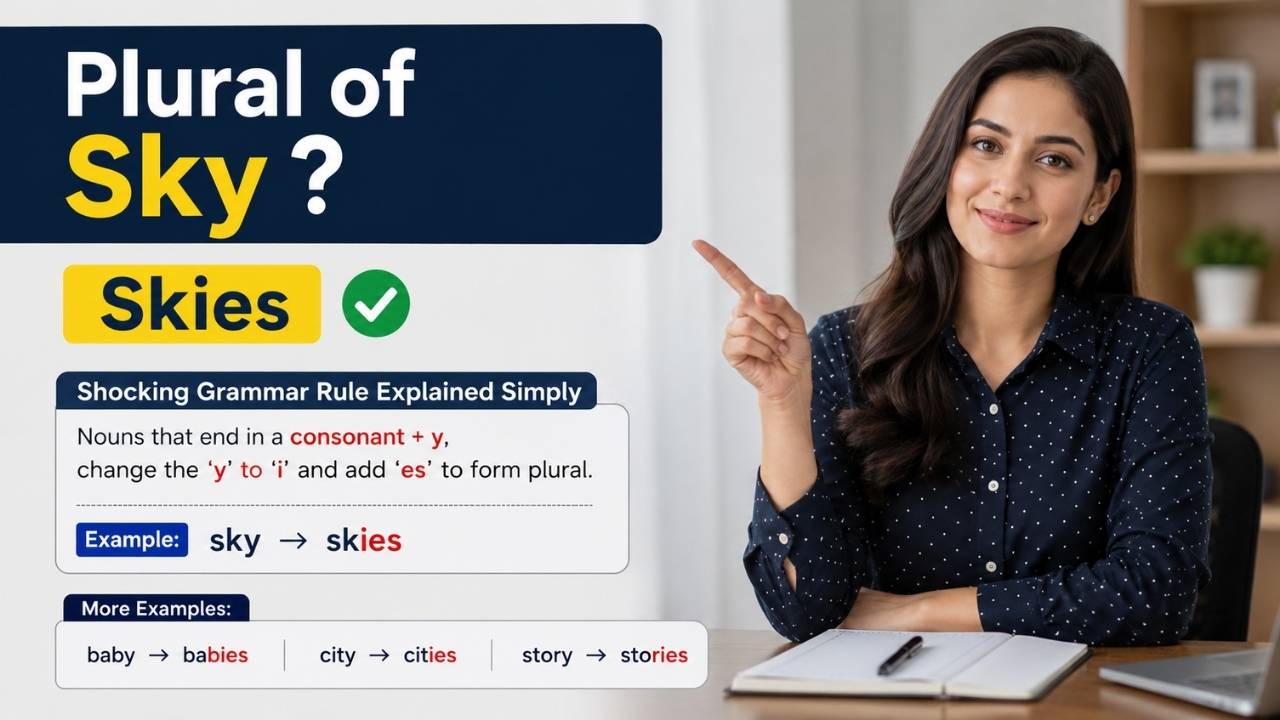
Plural of Sky Shocking Grammar Rule Explained Simply 

The plural of sky is skies. This is the correct form used in English grammar, and it often confuses learners because many people expect the word to simply become “skys,” which is incorrect. The word sky plural becomes skies plural because English follows a common rule: when a noun ends in a consonant + “y,” … Read more

Laid Out vs Layed Out: Best Grammar Explanation 

Many people get confused between “laid out” vs “layed out”, especially when writing quickly or relying on how a word sounds. If you are unsure about the correct spelling, the answer is simple: “laid out” is correct, while “layed out” is an incorrect spelling that often appears due to a common grammar mistake. This confusion … Read more

Join our email list to receive the latest courses details and blogposts